The Complete Skin Care Guide
SENSITIVE Skin
SENSITIVE Skin

Sensitive skin is a reactive condition that can occur in any skin type, including combination skin, dry skin, normal skin, and oily skin. It requires gentle, barrier-focused care.
How it behaves
• Reacts quickly to heat, friction, and active ingredients
• Barrier is often compromised
• Inflammation lasts longer
• Capillaries may be fragile
Prone to
• Redness
• Rosacea
• Stinging or burning
• Post-treatment inflammation
What we assess
• Barrier strength
• Trigger patterns
• Vascular reactivity
• Fitzpatrick classification
NORMAL Skin
SENSITIVE Skin
Balanced, resilient, and predictable, combination skin behaves in a way that reflects stable oil and water levels, creating a strong barrier while ensuring even cell turnover. However, it can be prone to mild dehydration, early aging, and occasional congestion, much like dry skin or oily skin types. What we assess includes subtle texture changes and early laxity, which can also pertain to normal skin and sensitive skin.
Dry Skin
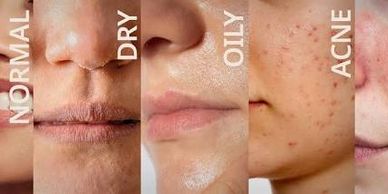
DRY Skin
Dry skin lacks oil, not water, and can often be confused with combination skin or normal skin types.
How it behaves
• Reduced sebum
• Weaker lipid barrier
• Increased moisture loss
• Fine lines appear earlier
Prone to
• Flaking
• Rough texture
• Tightness
• Premature ageing
What we assess
• Barrier integrity
• Dehydration vs dryness
• Sensitivity to heat, especially in sensitive skin.
OILY Skin
Oily skin produces excess sebum, which can lead to various skin concerns. Understanding how different skin types behave, including oily skin, combination skin, dry skin, normal skin, and sensitive skin, is crucial for effective care. Oily skin typically exhibits enlarged sebaceous glands, a thicker epidermis, and slower cell turnover. This skin type is often prone to breakouts, blackheads, shine, and texture irregularities. When assessing skin, we consider the type of oiliness present, pore congestion, and potential acne triggers to tailor our approach effectively.
COMBINATION Skin
Different behaviors in various areas are common for those with combination skin. This skin type typically exhibits an oily T-zone, while the cheeks may display characteristics of dry skin or normal skin. Additionally, pore sizes can vary across the face. Individuals with combination skin are often prone to issues such as congestion, dryness, and makeup breakdown. In our assessment, we focus on factors like oil distribution, pore density, and dehydration patterns, which can also apply to individuals with oily skin, dry skin, and even sensitive skin.
Fitzpatrick Skin Types I–VI

Fitzpatrick Skin Types I–VI: Understanding How Your Skin Responds to UV & Energy-Based Treatments
Fitzpatrick I — Very fair, always burns, often associated with sensitive skin.
Fitzpatrick II — Fair, burns easily, which can be a concern for those with dry skin.
Fitzpatrick III — Light–medium, suitable for individuals with normal skin.
Fitzpatrick IV — Olive/light brown, typically seen in those with combination skin.
Fitzpatrick V — Brown, which may often indicate oily skin traits.
Fitzpatrick VI — Deep brown/black, usually resilient but can still experience sensitivity.
Male vs Female Skin

Gendered Skin Biology & Treatment Response
Female Skin
• Thinner dermis, often leading to sensitive skin issues
• Lower collagen, which can contribute to the development of dry skin
• More dehydration, making it crucial for women with combination skin to use proper hydration products
• Hormonal sensitivity, affecting how skin responds to treatments
Male Skin
• 20–25% thicker, which can help in retaining moisture for normal skin types
• Higher collagen, providing a firmer texture that can benefit oily skin
• Larger pores, often associated with oilier skin types
• Coarser texture, which can make it more resilient but may also lead to issues for those with sensitive skin.
Young to Mature Skin

How Age Influences Skin Behaviour
Young Skin — typically characterized by high collagen levels and fast healing, this type can often be associated with normal skin.
Early Ageing — as we age, collagen begins to decline, leading to early laxity often seen in combination skin.
Mature Skin — with a thinning dermis, mature skin may develop a crepey texture and can be prone to dryness, resulting in dry skin concerns.
Advanced Ageing — at this stage, the skin may become fragile and exhibit slow healing, which can be particularly challenging for sensitive skin types.
Specialist Care for Fitzpatrick I–VI
All Skin Types
Skin behaves differently across the full spectrum of tones, including combination skin, dry skin, normal skin, oily skin, and sensitive skin. Both lighter and melanin-rich skin require tailored, inflammation-aware, and barrier-respectful treatment planning.
****
White / Light Skin
Specialist Care for Fitzpatrick I–III
White and light skin tones, often classified within normal skin, have lower melanin density and a different inflammatory profile, requiring careful management of sensitivity, redness, and barrier integrity.
How it behaves
• Lower melanin activity
• Higher UV vulnerability
• More prone to erythema and sensitivity
• Often thinner epidermis
Prone to
• Sunburn
• Diffuse redness / rosacea
• Photo-ageing
• Barrier impairment
What we assess
• Sensitivity threshold
• Redness / vascular activity
• UV damage
• Barrier function
****
Skin of Colour
Specialist Care for Fitzpatrick IV–VI
Skin of colour requires melanin-safe, inflammation-aware treatment planning suitable for various skin types, including sensitive skin and oily skin.
How it behaves
• Higher melanin activity
• Stronger inflammatory response
• Higher risk of pigmentation
• Often thicker dermis
Prone to
• PIH (post-inflammatory hyperpigmentation)
• Melasma
• Keloid formation
• Uneven tone
What we assess
• Melanin density
• PIH history
• Heat sensitivity
• Hormonal pigmentation patterns
****
ETHNIC Skin
Understanding African, Caribbean, Asian, Middle Eastern & Mixed-Heritage Skin
Ethnic skin is melanin-rich, resilient, and ages slowly — but requires specialist, melanin-safe treatment planning that considers all skin types, ensuring the needs of dry skin, oily skin, normal skin, and sensitive skin are met.
The Clinic 31 Promise

Your treatment plan is always tailored to your:
• Skin type (combination skin, dry skin, normal skin, oily skin, sensitive skin)
• Sensitivity
• Melanin level
• Fitzpatrick type
• Age
• Gendered biology
• Barrier health
• Lifestyle
• Medical history
• Treatment goals
Safe. Ethical. Clinically precise. Beautifully you.